 English
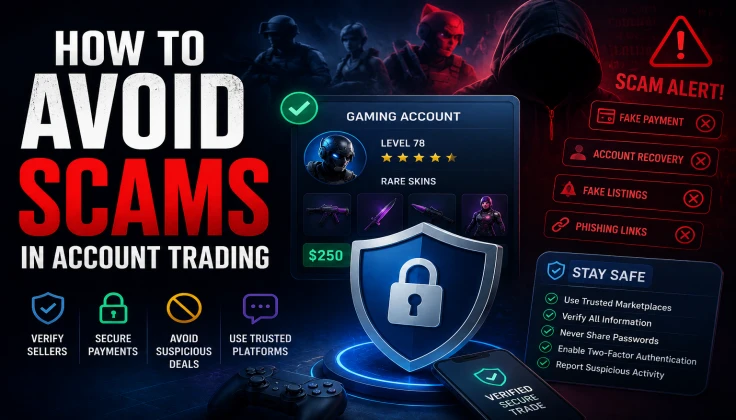
How to Avoid Scams in Account Trading
The gaming account trading industry continues to grow every year, offering players the opportunity to buy and sell valuable gaming accounts. While account trading can be convenient and profitable, it also attracts scammers looking to take advantage of inexperienced buyers and sellers.
Whether you're purchasing a high-ranked account or sell game accounts you've spent years building, understanding how scams work is essential. In this guide, you'll learn the most common account trading scams and how to protect yourself during every transaction.
Why Account Trading Scams Happen
Gaming accounts can be worth hundreds or even thousands of dollars. Rare skins, high ranks, exclusive items, and years of progression make certain accounts extremely valuable.
Because of this demand, scammers often target:
First-time buyers
New sellers
Direct transactions
Unverified marketplaces
Knowing the risks is the first step toward avoiding them.
Common Scams in Account Trading
1. Fake Payment Confirmations
One of the most common scams targets sellers.
The scammer claims payment has been sent and provides:
Fake screenshots
Edited transaction receipts
Fraudulent payment emails
The seller transfers the account before verifying the payment and loses access permanently.
How to Avoid It
Always verify payment directly through the payment provider.
Never trust screenshots alone.
Wait until funds are fully received before transferring the account.
2. Account Recovery Scams
This scam usually affects buyers.
After selling an account, the original owner contacts the game's support team and attempts to recover ownership.
As a result, the buyer loses access despite paying for the account.
How to Avoid It
Buy from trusted marketplaces.
Verify ownership history.
Ensure the original email can be transferred.
Change all credentials immediately after purchase.
3. Fake Listings
Some scammers create listings that exaggerate account value or use stolen screenshots.
Common signs include:
Unrealistically low prices
Missing account details
Refusal to provide additional proof
How to Avoid It
Request recent screenshots.
Compare the listing with similar accounts.
Avoid deals that seem too good to be true.
4. Phishing Attempts
Scammers may send fake login pages designed to steal account credentials.
These messages often appear to come from:
Payment providers
Marketplaces
Game publishers
How to Avoid It
Check website URLs carefully.
Enable two-factor authentication.
Never enter credentials on suspicious websites.
5. Off-Platform Transactions
Many scammers encourage users to leave trusted marketplaces and complete deals privately.
They often claim:
Lower fees
Faster payments
Better prices
However, once the transaction moves off-platform, protection is lost.
How to Avoid It
Keep all communication within the marketplace.
Use official payment systems.
Avoid direct deals with unknown individuals.
Warning Signs of a Scam
Pay attention to these red flags:
Unusually Low Prices
If a valuable account is listed far below market value, caution is necessary.
Pressure to Act Quickly
Scammers often create urgency by saying:
"Another buyer is interested."
"This offer expires today."
"You must pay immediately."
Refusal to Verify Information
Legitimate sellers usually provide proof when requested.
Inconsistent Details
Descriptions, screenshots, and account information should match.
Best Practices for Safe Account Trading
Use Trusted Marketplaces
Platforms like Ruppika help reduce risk by providing:
Secure transactions
Verified listings
Marketplace support
Safer communication channels
Verify Everything
Always verify:
Seller reputation
Account details
Payment status
Ownership information
Protect Your Personal Information
Never share:
Personal passwords
Banking information
Authentication codes
Enable Security Features
Use:
Strong passwords
Two-factor authentication
Secure email accounts
What to Do If You Suspect a Scam
If something feels suspicious:
Stop the transaction immediately.
Gather screenshots and evidence.
Contact marketplace support.
Report the user.
Avoid further communication until the issue is reviewed.
Acting quickly can help prevent losses.
Why Trusted Marketplaces Matter
The safest way to trade gaming accounts is through established platforms that prioritize security.
A trusted marketplace provides:
Seller verification
Payment protection
Account listing reviews
Customer support
These safeguards dramatically reduce the chances of fraud compared to private transactions.
Final Thoughts
Account trading can be safe and rewarding when proper precautions are taken. Most scams succeed because users rush transactions or ignore warning signs. By verifying information, using secure marketplaces like Ruppika, and following best security practices, buyers and sellers can trade with confidence.
Remember: if a deal seems too good to be true, it probably is. Taking a few extra minutes to verify details can save you from losing both money and valuable accounts.
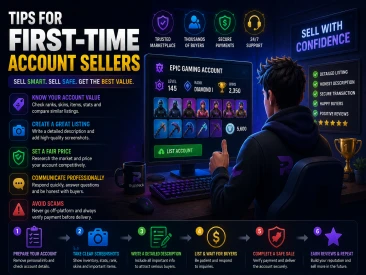
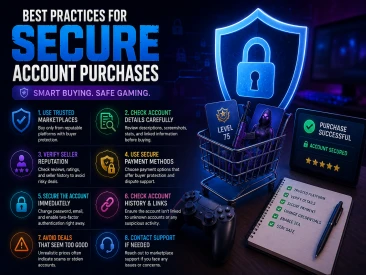
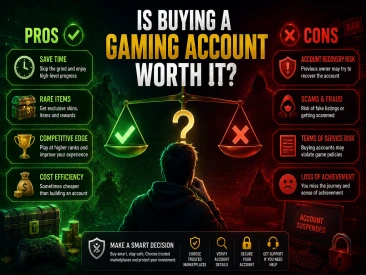
Ruppika is a trusted marketplace for buying and selling gaming accounts through secure and reliable transactions.